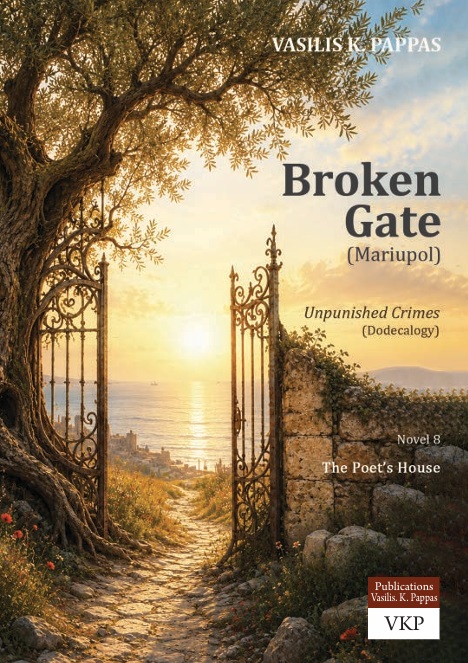
Within this enduring human tradition, Broken Gate (Mariupol) may be understood as more than a historical novel. It is a literary meditation on continuity, an ethical reflection on remembrance, and an affirmation of the enduring capacity of culture to preserve hope where history has left ruins.
Its ultimate achievement is therefore neither political nor ideological.
It is profoundly human.
And it is precisely in this humanity that the novel makes its most meaningful contribution to contemporary literature, to intercultural dialogue, and to the continuing international conversation concerning memory, justice and the indispensable value of peace.